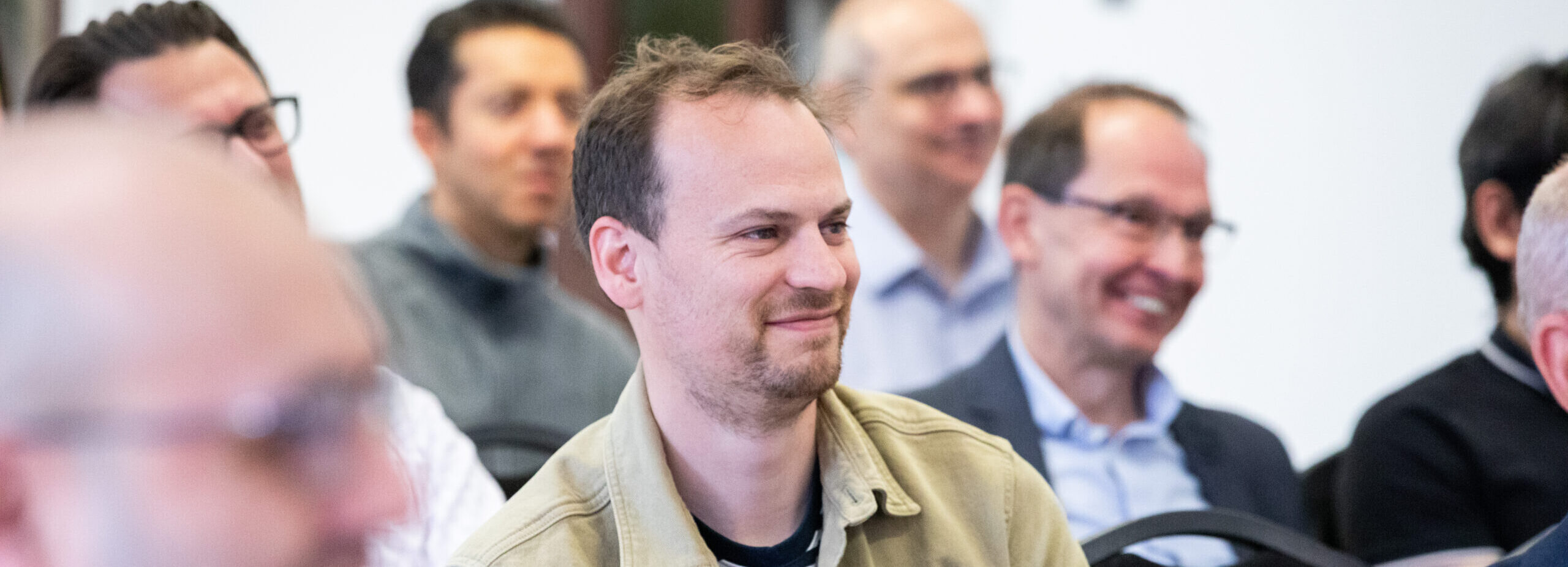
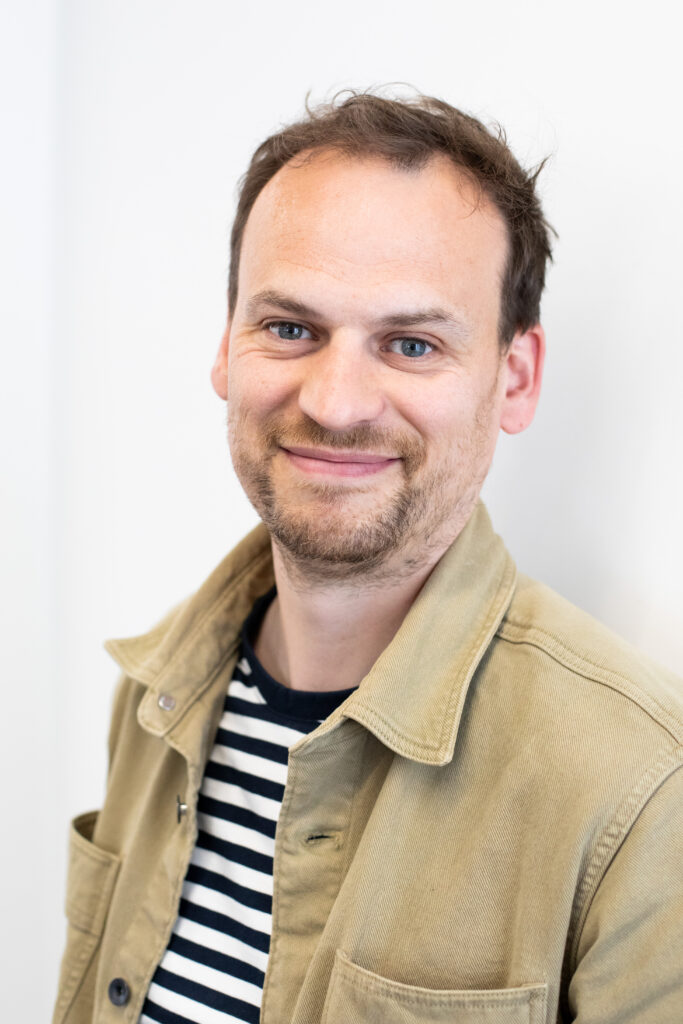
The Mentor Spotlight focuses on some of our amazing mentors that dedicate their time to support the academics across the Northern Triangle. Our latest spotlight is on Tom Penford, founder of Untitled Concept.
Tell us a bit about yourself:
I’m a strategy and innovation consultant. My speciality is combining commercial thinking design to help companies work out how to make money from what they’ve got. Sometimes that’s a piece of IP, a methodology, a regulation change, or a technology that nobody has turned into a product yet.
I trained at PwC and qualified as an ICAEW Chartered Accountant, so I think in business cases and commercial viability. But I don’t start with spreadsheets. I start with the customer. I help people to understand what people are actually trying to get done, then work backwards to a proposition that’s worth building. The approach is hypothesis-led: what would have to be true for this to work? Then go and test it. That keeps everything grounded in reality rather than creative flair.
The range of my clients is part of what keeps it interesting. I’ve worked across defence, healthcare, charities, energy, professional services, the library sector, and creative industries. I’m also a fractional Commercial Director for a creative studio, embedded in the business, building pipeline and shaping propositions alongside the team. That mix of strategic consultancy and hands-on operational work is where I’m most useful.
Why did you become a mentor with NTMN?
The technology and research coming out of universities is extraordinary. What’s often missing is the commercial thinking to turn it into something that reaches people. I think the UK could accelerate massively if we got better at bridging that gap by applying proper innovation methodology and venture-building discipline to academic research and spin-out ideas.
That’s what I do professionally, so NTMN was a natural fit. Combining that with coaching and mentoring people through the process is a joy. I’ve now mentored four people through the network, and watching someone go from “I’ve got this research” to “I’ve got a viable proposition” is great.
What advice do you find yourself giving most often to academics?
Start with the problem, not the solution. Academics tend to lead with what they’ve built or discovered and work forward to “who might want this.” I try to flip that. Who has the problem? How are they solving it today? What’s wrong with that? If you can answer those three questions clearly, the commercial concept almost designs itself.
From there, form hypotheses. What would have to be true for this to work? Then go and test them. Talk to customers before you build anything. It sounds simple but it saves months of building the wrong thing.
What impact do you hope to make with your mentees?
I want them to walk away feeling like business isn’t scary. There’s a process to it. It’s not luck, it’s not magic, and you don’t need an MBA. You need to trust that you are solving a customer’s problem in a structured and profitable way.
The bigger shift I try to encourage is getting out of the comfort zone of the technology and thinking about business design, not just product design. Academics are brilliant at Technology Readiness Levels, but commercial viability is more than TRL. Who’s the customer? How do you price it? How does money flow? If I can get someone thinking in those terms, everything else follows.
What’s been your favourite moment of the NTMN so far?
The Sprint days are great. A room full of people with completely different expertise all working on someone else’s problem. The energy is good, the ideas come fast, and you can see concepts shift in real time. But the thing I’ve valued most is the longer-term relationships.
I started mentoring the team behind FEVER, a university spin-out building a containerised renewable energy platform, and ended up joining their commercialisation team to help deliver. Going from mentor to being in the trenches with them, that’s when you know it’s working properly.
What advice do you have for anyone looking to become a mentor?
Trust your experience. You don’t need to have all the answers. You need to be good at asking questions and comfortable saying “I don’t know, but here’s how I’d think about it.”
The best mentoring I’ve done has been when I’ve helped someone think through a problem rather than handed them a solution. If you enjoy that kind of conversation, you’ll enjoy this.
Any further tips you would like to share?
Listen more than you talk. The temptation is to jump in with advice, but the real value is in helping someone articulate what they’re actually trying to do. Tease them out of the technology and the idea.
Getting clarity on what the commercial proposition actually is matters more than anything, and the sooner you can get there, the better.
